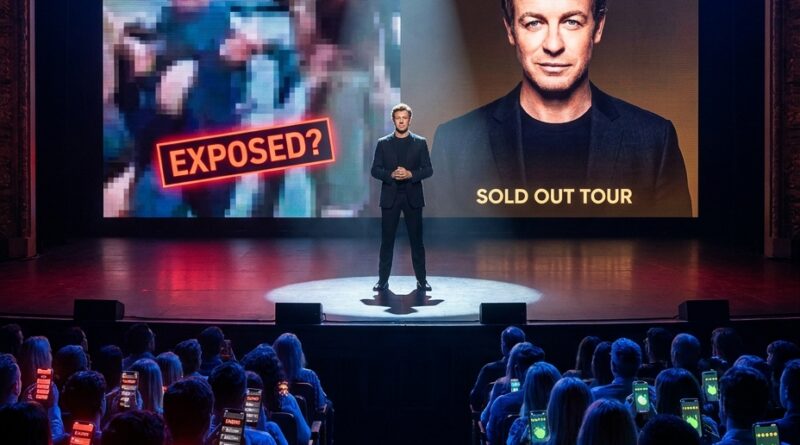
Inside 2026’s New ‘Review-Proof’ Mind Reader: How Mentalists Turn One Viral Backlash Into Their Highest Ratings Ever
One ugly clip can make a mentalist look finished by breakfast. Fans get annoyed fast. A trick is over-explained. A TV bit lands badly. A long YouTube takedown paints the performer as fake, smug, or past their prime. You would think that should end the story. But often it does not. In 2026, some of the biggest names are becoming oddly review-proof. The backlash goes viral, then the ticket sales jump, the comments soften, and the ratings climb again. That is not magic. It is crisis handling, audience psychology, and a very careful first 48 hours. For working performers, agents, and even skeptical fans, the real question is not whether backlash happens. It will. The question is who knows how to answer it without sounding slippery, defensive, or desperate. That is where reputations are now won or lost.
⚡ In a Hurry? Key Takeaways
- The mentalists handling bad reviews and viral backlash best do not fight every critic. They answer fast, stay calm, and give fans a better story to repeat.
- In the first 48 hours, the winning move is a short public statement, direct outreach to bookers, and fresh proof of real audience trust, not a rambling self-defense thread.
- High ratings after backlash are not always fake, but bookers and fans should check how the performer acted under pressure before trusting those stars.
Why the backlash often helps instead of hurts
This is the part that frustrates people. A performer gets dragged all over social media, and somehow the heat turns into free marketing.
That happens because outrage creates attention, and attention creates curiosity. A lot of people do not watch the original bad clip to judge it carefully. They watch to see what the fuss is about. If the performer is still charismatic, still polished live, and still liked by paying audiences, the backlash can end up acting like a giant trailer.
But that does not mean every mentalist survives it. Some pour gasoline on the fire. They post angry replies. They attack reviewers. They sound dishonest. Those are the ones who really get buried.
The survivors understand something simple. The internet is not a courtroom. It is a crowd. Crowds respond to tone first, facts second.
What the smartest performers do in the first 48 hours
Hour 1 to 6: They slow the panic down
The first mistake is emotional posting. A viral backlash makes people want to explain everything right now. That is usually a bad idea.
Trusted performers pause, gather clips, call their team, and decide on one message. Not six messages. One.
Usually it sounds something like this: they acknowledge the reaction, avoid insulting fans, and promise clarity without giving a lecture. Short beats long here.
They also stop old scheduled posts if those posts would look tone-deaf. Nothing makes a crisis worse like a cheerful promo going live while everyone is mocking your latest TV appearance.
Hour 6 to 24: They speak to the right people, not every person
This is where a lot of careers are saved. The public statement matters, yes. But private communication matters more.
Bookers, venue partners, media contacts, and existing clients need quick reassurance. They want to know whether the performer is stable, professional, and still safe to put on stage. If they get that confidence early, cancellations often stop before they spread.
Smart agents send a calm note. No drama. No conspiracy talk. Just context, availability, and proof that recent shows are still landing well.
Hour 24 to 48: They replace the bad clip with better evidence
You cannot delete public opinion, but you can crowd it out.
This is when strong teams post audience reactions, behind-the-scenes professionalism, full-performance context, and fresh reviews from real attendees. Not fake praise. Real social proof from people who actually bought tickets.
The goal is not to “win” against the backlash. The goal is to give undecided people another version of the story.
What they say publicly, and what they never say
What works
Good crisis statements are boring in the best possible way. They are brief, human, and controlled.
They usually do three things:
- Acknowledge the moment without whining.
- Respect the audience’s right to question what they saw.
- Point people back to the live work, the craft, and the broader record.
A good line sounds like this: “I understand why that clip raised questions. It does not reflect the full show experience, and I look forward to letting audiences judge the work in context.”
It is not flashy. That is the point.
What backfires
Here is what usually makes things worse:
- Calling critics jealous or stupid.
- Posting a 20-part thread that sounds rattled.
- Threatening lawsuits over commentary.
- Claiming every bad review is a coordinated attack.
- Explaining the method so much that the mystery gets weaker.
Fans can forgive a shaky clip. They do not easily forgive arrogance.
The real trick is narrative control, not damage denial
The strongest mentalists handling bad reviews and viral backlash do not pretend nothing happened. They frame what happened.
That framing often sounds like this: live performance is messy, short clips can flatten a bigger act, and the true measure is whether paying crowds still leave happy.
That message works because it feels reasonable. Even skeptical fans understand that a chopped-up online clip is not the same thing as a full theater show.
This is also why long exposés do not always finish a career. If the performer has enough goodwill, the takedown can actually harden fan loyalty. People start defending the act as entertainment, not as a scientific claim. You can see that dynamic clearly in Inside 2026’s New ‘Exposed Yet Sold Out’ Paradox: How Mentalists Survive 5‑Hour YouTube Takedowns And Still Pull Five‑Star Reviews.
Why skeptical fans become defenders
This part surprises people most. The same audience that mocked a performer on Monday may defend them by Friday.
Why? Because people hate feeling manipulated, but they also hate pile-ons.
If a mentalist responds with grace while critics get louder and meaner, the public mood can flip. The performer starts to look like the adult in the room. Once that happens, even skeptical viewers begin saying things like, “I am not a fan, but this backlash is over the top.”
That is a huge turning point. It means the story is no longer “this performer is finished.” It becomes “the internet is being unfair again.”
And once the crowd starts policing itself in comments and reviews, recovery gets much easier.
How bookers should judge “highest rated” mind readers after a controversy
Stars alone are not enough anymore. A five-star average can hide a messy reality, especially after a viral incident.
Look for consistency, not just volume
Did the performer get a burst of glowing reviews right after the backlash? That can be real support, or it can be a cleanup campaign. Check whether positive reviews continue over time and mention specific details from the live show.
Watch the response pattern
Did the performer answer criticism with professionalism? Did venues continue working with them? Did audience footage and independent comments line up with the official story?
Separate ethics from mystery
Mentalism lives in a gray area by design. That is part of the show. But there is a difference between preserving mystery and treating audiences badly. Bookers should care less about whether a trick got “exposed” and more about whether the performer stayed honest about the entertainment frame, handled pressure well, and kept audience trust.
What working pros can copy right now
If you are a mentalist or agent, here is the practical script.
1. Write your crisis statement before you need it
Do this now, while calm. Keep it under 100 words. Make sure it sounds like a person, not a PR robot.
2. Build a proof bank
Keep recent audience testimonials, venue feedback, clean live footage, and press notes ready to go. When backlash hits, you do not want to start hunting for evidence.
3. Pick one spokesperson
Not everyone on the team should freelance online. One voice keeps the message steady.
4. Never fight comment-by-comment
You will lose time, sleep, and perspective. Put out one clear response, then let your best supporters and your actual work do the heavy lifting.
5. Keep performing well
This sounds obvious, but it is the core issue. The internet can only carry a comeback so far. If the live show is weak, the ratings eventually fall. If the live show is strong, the backlash often fades faster than people expect.
For fans, the useful question is not “Was there backlash?”
It is “What happened after?”
Did the performer grow up fast and handle it cleanly? Or did they melt down, spin wild excuses, and bully anyone asking fair questions?
That tells you more than the original controversy.
Plenty of careers survive one bad clip. Very few survive a bad character reveal.
At a Glance: Comparison
| Feature/Aspect | Details | Verdict |
|---|---|---|
| First 48-hour response | Short statement, private outreach to bookers, pause scheduled promos, share context carefully | Best way to limit damage and keep trust |
| Public tone under pressure | Calm, respectful, and light on excuses tends to win over undecided fans | More important than trying to “beat” every critic |
| Post-backlash ratings | Can rise if live audiences still have a strong experience and supporters step in organically | Useful signal, but only if backed by consistent real-world performance |
Conclusion
This is the new reality. One awkward segment, one angry review thread, one five-hour takedown, and a mentalist can be on trial before most people have had coffee. That is why this matters now. Mentalists, agents, and serious fans need a better way to read the chaos. The names that hold up are usually not the ones who never get criticized. They are the ones who respond well in the first 48 hours, avoid self-inflicted damage, and give the public a steadier, more believable story to follow. For working pros, that means having a modern crisis script ready before trouble starts. For bookers and reviewers, it means looking past shiny ratings and asking how the performer behaved when the internet turned on them. That is the real stress test, and it is a much better guide to which “highest rated” mind readers can actually hold up when the pressure hits.