Inside 2026’s New ‘One‑Night Verdict’: How Fans Quietly Use First‑24‑Hour Reviews To Crown The World’s Real Five‑Star Mentalists
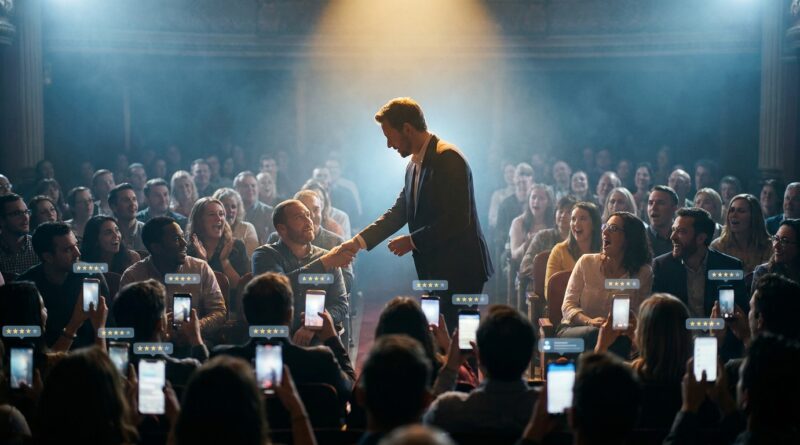
You are not imagining it. A mentalist can look like a once-in-a-generation genius in a polished promo clip, then feel flat, rushed or weirdly rehearsed when real people finally sit in the room. By the time the slower review sites fill up, the early ticket window is often gone. That is why more fans now use a quiet little test of their own. They check the best mentalist reviews last 24 hours, not the brochure, not the hype, and not the magician’s own highlights reel. The first day tells you something later praise often hides. Did strangers leave stunned, or just politely impressed? Did multiple people mention the same killer routine, or are the compliments vague? If you want to know whether opening night was the real deal, you need a fast way to read the first wave without getting fooled by noise. The good news is that there is a pattern, and once you know it, it gets much easier to spot.
⚡ In a Hurry? Key Takeaways
- The fastest trustworthy signal is not one rave review. It is the same specific praise showing up across different sites within the first 24 hours.
- Start with TripAdvisor, Reddit, ticketing comments and show listings, then look for repeated words like “impossible,” “funny,” “warm,” or “slow start.”
- This method saves money because it helps you avoid buying on hype alone, especially when viral clips push prices up overnight.
The new one-night verdict is real
Fans used to have weeks, sometimes months, to figure out if a performer was truly peaking. Not anymore.
Now a single TV spot, one celebrity mention or a viral clip can send a mentalist from “interesting” to “sold out” before the weekend is over. That speed has changed how people judge shows. The first 24 hours matter more than ever.
Think of it like opening-night word of mouth, just faster and messier. People post while they are still in the lobby, while they are in the cab home, or while they are arguing with friends in a Reddit thread. That rawness is useful. It is often less polished and more honest.
The trick is knowing how to read it.
Why first-day reviews beat slick promo clips
Promo clips are built to remove friction. They cut dead space, pick the loudest reactions and trim away anything awkward. Real audiences do not do that.
When a mentalist truly lands, first-night fans tend to describe the same moments in their own words. They mention a prediction they cannot explain. They talk about how the room changed. They remember whether the performer felt warm, creepy, funny, sharp or distant.
That matters because a great mentalist is not just fooling people. They are controlling tension, trust and pace in a live room.
This is also why so many readers are paying attention to body language and crowd comfort, not just “How did they do that?” If that part interests you, our piece on Inside 2026’s New ‘Body Language Backlash’: How Fans Quietly Turn One Awkward Moment Into A 5‑Star Mentalist Test is worth a look. It gets into the small audience signals people now use to separate impressive from genuinely world-class.
The first-24-hour method fans are quietly using
Here is the simple version. Do not ask, “Are the reviews good?” Ask, “Do the first reviews agree on why the show is good or bad?”
Step 1: Check four sources, not one
Start with a mix:
- TripAdvisor or venue review pages
- Reddit threads and local city subreddits
- Niche entertainment or magic review platforms
- Ticketing pages and show listings with comments
One source can be skewed. Four sources give you shape.
Step 2: Ignore star counts for ten minutes
Yes, the rating matters. But first read the actual words.
Five-star reviews can be useless if they only say “Amazing show” or “Loved it.” A three- or four-star review can be far more helpful if it says, “First 20 minutes dragged, then the audience participation section was unbelievable.”
Specific beats generic every time.
Step 3: Look for repeated phrases
This is where the best mentalist reviews last 24 hours become useful. You are hunting for overlap.
If strangers on different platforms all mention the same things, pay attention. Common positive patterns include:
- “Could not stop talking about it after”
- “Picked up details he should not have known”
- “Funny and disarming, not smug”
- “Audience volunteers looked genuinely shocked”
Common warning signs include:
- “Lots of filler between effects”
- “Too much talking about himself”
- “Felt staged”
- “Strong ending but slow first half”
Step 4: Separate technical praise from emotional reaction
The best performers get both.
Technical praise sounds like this: clever structure, impossible reveals, strong callbacks, good pacing. Emotional reaction sounds like this: creeped out, laughing, still thinking about it, felt seen, could not explain it.
If early reviewers are only praising technique, the show may impress without connecting. If they are only emotional but light on detail, you may be looking at hype. The sweet spot is both.
Step 5: Watch for review timing
Posts that land within one to six hours of the show are often the most revealing. People have not settled into consensus yet. They are just reacting.
By day three, reviews can start to echo one another. By week two, some read like they were written to match the mood around the show.
What our curated review snapshots usually show
When we scan first-day reactions across TripAdvisor, Reddit, niche review sites and live show listings, the strongest mentalists usually stand out in a very predictable way.
Real winners get detailed praise fast
If a performer is genuinely peaking, fans start sharing scenes, not slogans. You will see comments about one impossible callback, one killer prediction, one volunteer interaction that changed the room.
That kind of detail is hard to fake at scale.
Average shows split into camps
These are the performers where one crowd says “best ever” and another says “pretty good.” That split usually means one of three things happened:
- The room was warm but the material was uneven
- The performer connected better with some sections than others
- The clips promised more than the live experience delivered
Weak opening nights reveal themselves in vagueness
When the early reviews feel thin, there is often a reason. People may be trying to be polite. If nobody can clearly explain what made the show special, that is a review in itself.
How to tell if “best in the world” talk is actually deserved
That phrase gets thrown around constantly. So let’s make it practical.
A world-class mentalist in live reviews usually shows at least four of these signs in the first 24 hours:
- Specific repeated praise across unrelated platforms
- Audience members mention both amazement and personality
- Volunteers seem central to the best moments, not just props
- Even critical reviews admit parts were extraordinary
- People mention recommending the show to skeptics, not just fans
If you only see broad praise with no repeated details, slow down before buying premium seats.
Common traps that fool smart buyers
Trap 1: Mistaking volume for quality
A flood of posts does not always mean a flood of excellence. It can just mean great marketing, a big venue or an active fan base.
Trap 2: Overrating celebrity attendance
A famous face in the audience says very little about what regular ticket buyers experienced.
Trap 3: Trusting clips where the audience is off camera
If you cannot see how volunteers react in full context, be careful.
Trap 4: Ignoring mild criticism
Small complaints often point to real weaknesses. If ten people say “great show, but…” and the “but” is the same every time, that is not random.
A quick scorecard you can use tonight
Before you buy, give the opening-night chatter a simple score from 0 to 2 in each category:
- Specificity of praise
- Consistency across platforms
- Mentions of audience authenticity
- Pacing and structure comments
- Emotional reaction after the show
0 means weak or absent. 1 means mixed. 2 means strong and repeated.
A total of 8 to 10 is a strong buy signal. A 5 to 7 means wait a day or two. Under 5 means keep your money in your pocket unless you are already a devoted fan.
At a Glance: Comparison
| Feature/Aspect | Details | Verdict |
|---|---|---|
| First-wave review quality | Look for detailed comments that repeat across TripAdvisor, Reddit, niche sites and ticket pages within 24 hours. | Most reliable early signal |
| Promo clips and social hype | Useful for style and tone, but often edited to hide pacing issues, weak crowd work or uneven material. | Good teaser, poor verdict tool |
| Repeated audience language | Phrases like “felt impossible,” “volunteers looked real,” or “slow first half” reveal genuine patterns fast. | Best shortcut for spotting a true peak |
Conclusion
The smart move in 2026 is not to wait for the official consensus. It is to read the first-night room correctly. The mentalist world now moves on social time, not brochure time. One viral performance, surprise tour stop or TV hit can turn a performer from local secret to impossible ticket overnight. If you use a simple first-24-hour method, you do not have to guess. You can sort real audience reactions from polished noise, protect your wallet and get to the performers who are actually delivering right now. That is the value of tracking the best mentalist reviews last 24 hours. Done well, it is less about chasing hype and more about catching greatness while it is still fresh, real and just ahead of the crowd.