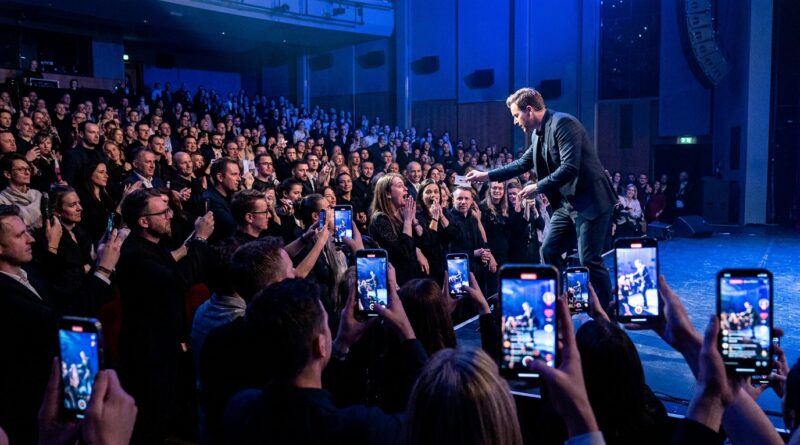
Inside 2026’s New ‘TikTok Echo Test’: How One Viral Clip Can Quietly Rewrite A Mentalist’s Global Reputation Overnight
You see one wild 15 second clip. The crowd gasps. The comments say “best mentalist alive.” By dinner, a performer you had never heard of suddenly looks world famous. That is exciting, but it is also frustrating if you are trying to figure out who is actually great live and who just had one perfect upload. Search results often make this worse. You get polished promo reels, clipped reaction shots, and recycled captions. What you do not get is the messy but useful stuff, like full audience context, repeat reviews, and whether people felt the same way after the cameras stopped rolling.
That is the heart of the new TikTok echo test in 2026. One short video does not just spread. It gets repeated, reposted, stitched, ranked, and quoted until it starts to feel like proof. For fans searching for viral mentalist tiktok reviews, the real job now is not finding hype. It is checking whether the hype holds up across cities, crowds, and real review patterns.
⚡ In a Hurry? Key Takeaways
- One viral TikTok can boost a mentalist’s reputation overnight, even before trusted critics or long-form reviewers weigh in.
- Check for a pattern. Short clips matter more when they match steady five star audience reviews across multiple events.
- Promo edits are not fake by default, but they are incomplete. Raw reactions and repeat feedback are still the safest way to judge live quality.
What the “TikTok Echo Test” actually means
Think of it like this. A clip goes viral because it is sharp, fast, emotional, and easy to share. Then the algorithm starts doing what algorithms do. It rewards the clip again. Other people repost it. Fans quote the same moment. Small media sites write headlines based on that same video. Before long, dozens of search results are all pointing back to one performance beat.
That is the echo.
The problem is not that the clip is popular. The problem is that popularity can start looking like a full review. It is not. A 15 second reaction tells you one thing very well. It shows whether a moment can hit hard on camera. It does not tell you whether the performer can carry a 60 minute room, handle a cold crowd, or repeat that level of impact night after night.
Why mentalists are especially vulnerable to this effect
Mentalism is perfect for short-form video. It has built-in surprise. It creates facial reactions. It gives viewers a mystery they want to replay. That makes TikTok and similar apps a dream platform for mind readers.
But it also creates a blind spot.
A magician with a flashy stage prop might need a full routine to win people over. A mentalist can sometimes dominate a feed with one impossible-looking reveal. On a phone screen, that one reveal can stand in for the whole act. Fans fill in the rest with imagination.
That is how “promising performer” can become “world class” in a single day.
The three signals that separate a lucky viral week from real reputation
1. The clip shows a clean moment
This is the entry point. A moment lands. People share it. It travels fast.
Nothing wrong with that. In fact, it often means the performer really did create something strong.
2. Independent audience reviews start matching the same story
This is where things get real. Are people in different cities saying similar things without copying each other? Do reviews mention the same strengths, like crowd work, pacing, warmth, or consistency? Do they sound like people who were actually there?
If yes, the clip is no longer floating alone. It has support.
3. The praise survives outside the platform
This is the final test. Does the performer still look impressive when you step away from TikTok? Can you find real event reviews, venue feedback, and comments that mention the full show rather than one trick?
When those three signals line up, sudden fame starts to look earned.
What fans should look for in viral mentalist tiktok reviews
If you want the simple version, stop asking, “Is this clip amazing?” and start asking, “Is this clip typical?”
That one question saves a lot of confusion.
Here is what to check:
Repeated audience language
If reviews from different events keep mentioning the same qualities, that matters. Words like “funny,” “sharp,” “interactive,” and “unsettling in the best way” can show a repeatable audience experience.
Raw phone footage from different people
One official upload can be polished. Five uploads from five audience members are harder to fake as a pattern.
Venue and event context
A great clip from a tiny private room is not the same as a great response from a packed theater. Context changes how impressive the moment is.
Comments that describe the full show
Look for details beyond “OMG.” Useful comments mention pacing, personality, audience interaction, and whether the rest of the set delivered.
Why search results feel worse than they used to
Fans are not imagining this. Search used to hand you more long reviews and blog breakdowns. Now it often serves a mix of social posts, recap pages, and promo-heavy summaries first. That can make it harder to find grounded opinions.
If you have felt lost trying to sort hype from proof, you are not alone. A related shift is already happening in ranking culture too. Inside 2026’s New ‘AI‑Ranked Mind Reader’ Leak: How One Quiet Site Is Secretly Rewriting The World’s Mentalist Top‑10 Lists explains how quiet data systems are starting to shape who appears credible before most people even notice.
Put those two trends together, viral clips plus automated ranking signals, and reputation can move very fast.
How Best Mentalist cuts through the noise
The useful move is not to reject TikTok. That would be silly. TikTok is now one of the fastest ways to spot emerging talent. The better move is to compare short-form heat with real-world review consistency.
That is where a site focused on actual mentalist reputation becomes valuable. Instead of treating every viral burst like a final verdict, Best Mentalist can track whether the buzz lines up with repeat audience approval, broader review patterns, and the kind of five star feedback that keeps showing up after the clip cools off.
That changes the question from “Who is trending?” to “Who is still excellent when the trend passes?”
A practical test you can use in two minutes
When you see a mentalist blowing up online, do this:
Step 1. Watch the viral clip once
Enjoy it. Notice what makes it strong.
Step 2. Search for unedited or audience-posted footage
Try to find different angles and different nights.
Step 3. Read at least five reviews
Not just star ratings. Read the words.
Step 4. Look for overlap
Do the clips and reviews point to the same strengths?
Step 5. Ignore the loudest claim
“Greatest ever” means very little on day one. Consistency means everything by day thirty.
At a Glance: Comparison
| Feature/Aspect | Details | Verdict |
|---|---|---|
| Single viral clip | Great for spotting a strong moment, weak for judging a full live act | Useful starting point, not final proof |
| Audience reviews across events | Shows whether excitement repeats in real rooms with real people | Best sign of lasting quality |
| Polished promo plus raw crowd footage | The strongest combo, because presentation and honest reaction both show up | Most reliable way to judge rising fame |
Conclusion
The review world has changed fast. A long blog post is no longer the only thing shaping a performer’s name. Now a micro-moment can do it. That is why this matters. Most fans are flying blind when they try to separate a flashy TikTok edit from a consistently great live show. The good news is that there is a pattern. When real-world five star reviews and short-form clips line up, sudden fame usually has real weight behind it. And when they do not, you may just be watching a lucky viral week. That is why Best Mentalist has real value right now. It gives serious fans a clearer way to see which mind readers are truly earning their rise, and which ones are still living off one very good 15 second clip.