Inside 2026’s New ‘Trust Test’ Craze: How Live Audience Polls Are Quietly Re-Ranking The World’s Highest-Rated Mentalists In Real Time
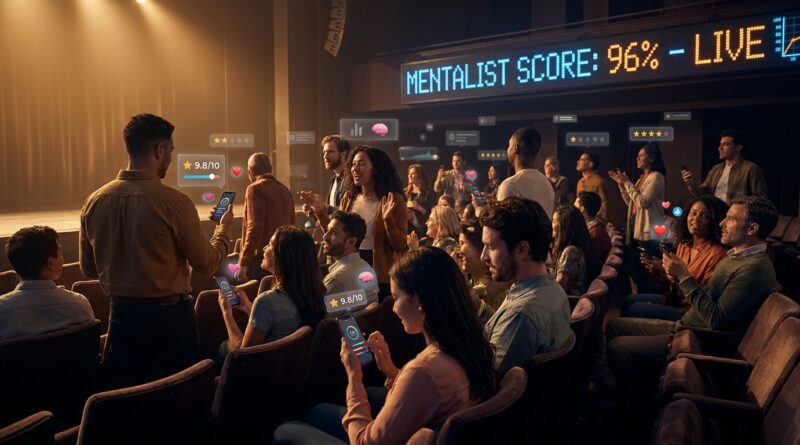
People are tired of being sold a legend and then sitting through a pretty average show. You see the poster. You read the glowing quote. You hear someone called one of the world’s best. Then the lights go down, the act starts, and half the room is checking phones by the interval. That frustration is exactly why 2026’s new “Trust Test” craze is spreading so fast. Fans want proof from real people in real seats, on that night, not from a polished trailer or a review pulled from eight years ago. The big shift is simple. Live audience polls are now quietly shaping how the worlds highest rated mentalists live audience ratings 2026 conversation works. Instead of asking who had the best TV spot or loudest marketing, people are asking who actually got the strongest reaction from tonight’s crowd. It is messier, more honest, and for many fans, a lot more useful.
⚡ In a Hurry? Key Takeaways
- Live audience polls are becoming a fast, trusted way to judge whether a mentalist truly delivered on the night.
- If you are comparing performers, look for repeated strong audience scores across multiple venues, not one viral clip or old press quote.
- These polls are helpful, but they still need context because crowd type, venue size, and host bias can affect the result.
What the “Trust Test” actually is
The phrase sounds bigger than it is. In practice, it usually means a quick live poll done during or right after a show. Sometimes the venue runs it through a QR code on the screen. Sometimes a fan group does it in a private app or event chat. Sometimes it is as low-tech as a text link handed out at the exit.
The questions are usually blunt. Did the performer exceed expectations? Would you recommend the show to a friend? Did the audience feel amazed, connected, and entertained? Did the ending land? Was the show worth the ticket?
That matters because it cuts through old tricks of reputation management. A poster can say “international sensation” forever. A room full of paying strangers can say “that was fine, I guess” in under 30 seconds.
Why this is hitting mentalism harder than other live acts
Mentalism has always depended on trust. Not trust in the sense of “is this real?” Most audiences know they are watching performance. The real trust question is different. Is this person actually good, or am I being nudged into believing they are good because everyone keeps saying it?
That question gets sharper in mentalism because the pitch is often so grand. “The most astonishing mind reader on earth” is a bigger claim than “solid singer with a good band.” The higher the claim, the harder the fall if the room feels cold.
So fans have started using live audience polls as a reality check. It is less about exposing anyone and more about reducing the gap between hype and lived experience.
How live polls are quietly re-ranking the field
Here is the interesting bit. The biggest rankings in this space used to be shaped by media appearances, critic coverage, famous endorsements, and the occasional viral moment. Those things still matter. But now they are being challenged by rolling audience feedback.
If one performer gets a 94 percent “would recommend” score in Manchester, 91 percent in Chicago, 89 percent in Sydney, and 95 percent in Berlin, people notice. If another big name gets lots of applause online but only middling in-room scores across several stops, people notice that too.
That is where the re-ranking happens. Not always on official lists. Often in whispers first. Booking forums. Fan communities. Producer chats. Performer group texts. Then eventually, those whispers shape public opinion.
Consistency is beating celebrity
This may be the biggest change of all. A household name can still open doors. But if newer or less famous performers keep posting strong audience reaction numbers night after night, they start climbing in credibility fast.
It is similar to what happened in the nostalgia wave covered in Inside 2026’s New ‘Netflix Nostalgia’ Effect: How A 15‑Year‑Old TV Mentalist Just Crashed The Real‑World Ratings Party. Old fame can suddenly re-enter the conversation, but live crowd response is now the thing that decides whether that renewed attention sticks.
What audiences seem to reward in 2026
This is where the “Trust Test” becomes useful for working mentalists too. The poll results are starting to show patterns. Modern audiences are not only rewarding clean method and big reveals. They are rewarding how the whole night feels.
1. Clear stakes
If the crowd understands what is supposed to happen, they react more strongly when it does. Confusing plots hurt scores. Clean framing helps.
2. Warmth over arrogance
The icy, superior “I know more than you” persona is not scoring as well in many rooms now. Audiences seem to prefer performers who feel confident but human.
3. Real interaction
Crowds can tell when participation feels staged or forced. They score shows higher when volunteers seem comfortable and the interaction feels genuine.
4. Strong ending
A lot of poll comments point to the same issue. People remember the final five minutes. You can have a good hour and still lose the room if the closer feels flat.
5. Pacing that respects attention spans
This one should not be ignored. Audiences in 2026 are quick to disengage. If a routine takes too long to explain, live ratings often dip.
Why fans like this more than old-school reviews
Traditional reviews are not useless. But they can feel distant. One critic in one seat is not the same as 400 paying attendees answering the same three questions ten minutes after the curtain call.
Live audience polling feels more democratic. It also feels current. You are not reading what someone thought during a special run five years ago. You are seeing how a performer landed with a live crowd this week.
For fans trying to pick a show, that is gold. It is quick. It is practical. It is harder to fake at scale.
The catch. These polls are not perfect.
Now for the sensible part. Live audience polls are useful, but they are not holy truth.
Venue and crowd type matter
A corporate crowd, a theatre crowd, and a late-night festival crowd will score differently even for the same act. If you ignore that, you can misread the numbers.
Hosts can shape the result
If a venue pushes hard for responses only from VIP guests, or asks loaded questions, the poll becomes less trustworthy.
Small sample sizes can mislead
If only 22 people answer in a room of 500, be careful. That is a clue, not a verdict.
Different audiences value different things
Some love emotional storytelling. Some just want impossible hits every six minutes. A performer can be excellent and still not fit every room.
How to read the new live ratings without getting fooled
If you are a fan, look for repeat patterns. One dazzling score is nice. Four strong scores in different cities is better.
If you are a mentalist, resist the urge to obsess over every single percentage point. Use the comments more than the ego hit. Comments tell you where the drag is. They tell you whether the middle sags, whether your volunteer handling feels awkward, whether your ending actually lands.
A simple filter that helps
When comparing performers, ask these three questions:
Are the ratings consistent across multiple shows?
Do the comments mention specific moments, not just vague praise?
Are the results coming from mixed audiences, not just fan clubs or invited guests?
If the answer is yes to all three, you are probably looking at something real.
What this means for aspiring mentalists
Honestly, it is both brutal and fair. You can no longer hide behind branding for long. But you also do not need a huge TV history to prove you belong near the top.
If your act works, audiences will tell you. If it does not, they will tell you that too. Not always kindly. But clearly.
That is a gift if you are serious about getting better. The “Trust Test” trend is pushing performers toward cleaner structure, stronger audience care, and more dependable reactions. That is good for the art and good for ticket buyers.
What this means for established stars
For big names, this trend is a stress test. Legacy still helps. Recognition still sells. But if your current live show is coasting on old clips and old headlines, audience polling can expose that gap quickly.
On the other hand, established performers who still crush in the room now have something even better than publicity. They have ongoing proof.
At a Glance: Comparison
| Feature/Aspect | Details | Verdict |
|---|---|---|
| Glossy promotion vs live poll results | Posters and quotes sell the promise. Live polls show whether the promise was kept that night. | Live poll results are more useful for fans choosing a current show. |
| Single viral moment vs repeated audience scores | A viral clip can boost fame fast, but repeated scores across cities show dependable live quality. | Consistency wins if you want a fair ranking. |
| Raw audience polls vs perfect objectivity | Polls are honest but still shaped by venue, crowd mood, and response rate. | Useful tool, but best read with context. |
Conclusion
The “Trust Test” craze is catching on because it answers a very normal question. Did this mentalist really wow a real crowd, or was I just sold the idea of greatness? That is why the worlds highest rated mentalists live audience ratings 2026 discussion feels different now. It is less about dusty reputation and more about fresh proof. For working and aspiring mentalists, that is a brutally honest look at what modern audiences actually reward in 2026. For fans, it is a fast, hype-free way to spot the performers who are genuinely earning world-class reactions night after night, not just once on TV. That is good for everyone, except maybe the poster designer.