Inside 2026’s New ‘White House Test’: How High‑Risk Gigs Quietly Re‑Rank The World’s Highest‑Rated Mentalists
Five-star pages are easy to admire and hard to trust. That is the headache bookers keep running into when they search for the worlds highest rated mentalist 2026. A performer can look untouchable online, then struggle the moment the room gets tense, the audience is powerful, and every reaction is being watched like breaking news. That gap matters more than ever now. Quietly, a new sorting system has appeared. It is not an awards list or a fan poll. It is the kind of job a mentalist gets invited to do when the pressure is sky high, security is tight, and one awkward moment could spread worldwide in minutes. Those gigs are becoming a better test of who really belongs near the top. They do not just reward clever tricks. They reward judgment, calm, timing, restraint, and the ability to read a room that absolutely cannot go wrong.
⚡ In a Hurry? Key Takeaways
- The clearest 2026 ranking signal is not reviews alone. It is who gets trusted with high-risk, high-scrutiny rooms.
- If you are booking a mentalist, ask where they have performed under real pressure, not just how many stars they have online.
- This matters because a polished promo clip does not show whether someone can stay calm, tactful, and funny when the whole room matters.
Why this new “White House test” suddenly matters
Bookers have always wanted the same thing. They want the safest possible bet.
Not “safe” in the boring sense. Safe in the real-world sense. A performer who can be sharp without being reckless. Funny without being insulting. Surprising without making a VIP, donor, diplomat, executive, or public figure look foolish.
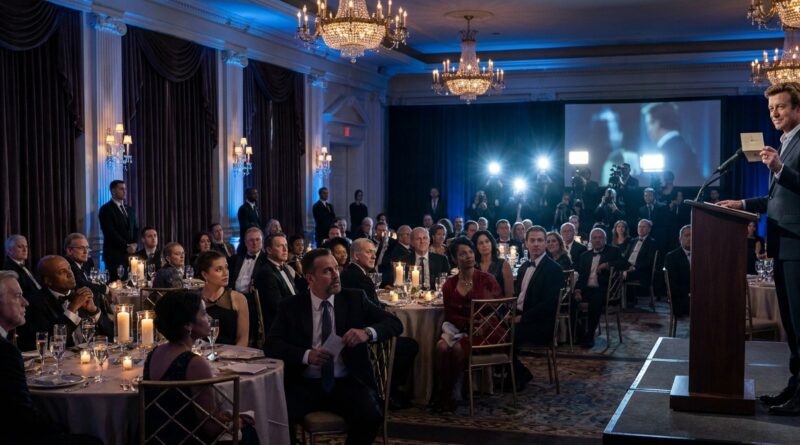
That is where this unofficial “White House test” comes in. Think of it less as one literal building and more as a standard. Can a mentalist walk into a room full of people who are used to scrutiny, cameras, protocol, and headlines, then still win the room cleanly?
If the answer is yes, that says a lot more than a wall of glowing testimonials.
What counts as a high-risk gig in 2026?
These are not just big gigs. They are exposed gigs.
Rooms where every guest matters
Private political gatherings. Global charity events. Executive summits. Diplomatic receptions. Celebrity fundraisers. Luxury brand dinners with a guest list full of names that attract press the moment they enter a building.
In these rooms, people are not hiring a mentalist just to fill time. They are hiring someone to raise the energy without causing a problem.
Events with almost no margin for error
A standard corporate show can survive a weak joke or a missed beat. A tightly managed high-profile event often cannot. One misread volunteer. One clumsy line. One bit that feels invasive. Suddenly the entertainment becomes the story, and not in a good way.
Shows where discretion is part of the performance
The best mentalists in these settings know what not to do. They do not force moments. They do not chase shock value. They do not treat an important guest like a prop.
That restraint is part of the skill.
Why review sites miss this completely
Online ratings still have some value. They can show consistency, popularity, and basic client satisfaction. But they often miss the hardest part of the job.
Pressure.
A five-star review usually comes after a happy event. It rarely captures whether the performer can handle a room where security staff are watching, where timing is tight, where sensitive topics are off limits, and where the audience includes people who are impossible to impress.
That is also why more readers have started questioning polished review ecosystems in general. If you want a good companion piece on that problem, Inside 2026’s New ‘Fake Five-Star Test’: How Dubious Reviews Quietly Re-Rank The World’s Highest-Rated Mentalists is worth your time. It gets at the part many buyers already suspect. A perfect rating can look strong right up until real-world pressure enters the chat.
What high-scrutiny clients are really judging
Here is the part non-performers do not always see. In elite rooms, the trick is only one slice of the job.
Judgment
Can the performer tell when to go bigger and when to back off? This sounds small. It is not. Good judgment is what keeps a show elegant instead of awkward.
Emotional control
When a bit lands softly, does the mentalist panic? Do they rush? Do they overcompensate? Top-tier performers can absorb tension without spreading it through the room.
Social intelligence
This is huge. A mentalist may be reading body language, group mood, status dynamics, and personal boundaries all at once. In a high-risk room, that skill can matter more than flashy technique.
Confidentiality and professionalism
The people booking these events do not want surprises after the event either. They want someone who knows what should stay private, what should never be posted, and what should remain a one-night experience.
How this quietly re-ranks the field
This is where the worlds highest rated mentalist 2026 conversation gets more interesting.
The public rankings often reward visibility. The hidden rankings reward trust.
And trust is built differently.
A mentalist who gets repeatedly invited into high-stakes, high-attention settings is being given a very specific vote of confidence. Not from casual fans, but from people with reputations to protect. That does not mean every famous online performer is overrated. It means the leaderboard changes when the filter changes.
Some names rise because they are genuinely steady under pressure. Others drift down because their strengths work better on social media, in theaters, or in looser crowds than in rooms where every second is loaded.
What bookers should ask before hiring
If you are trying to sort hype from substance, start with a few plain questions.
“What kinds of high-pressure rooms have you worked?”
You are not fishing for confidential names. You are listening for pattern and credibility. Have they worked events with protocol, security, sensitive audiences, or major reputational stakes?
“How do you handle audience boundaries?”
A strong answer should sound thoughtful, not rehearsed. The best performers know how to involve people without exposing them.
“What changes when the room is full of VIPs?”
This answer tells you whether they understand context. Different rooms need different pacing, tone, and interaction styles.
“Can you explain your approach without buzzwords?”
If they cannot explain how they keep a room comfortable, they may not understand it well enough themselves.
Signs a mentalist can pass the test
You do not need access to classified guest lists to spot this.
They have repeat work from sensitive clients
Repeat bookings matter. High-profile clients are usually ruthless about risk. If they bring someone back, that says plenty.
Their testimonials mention poise, tact, and reading the room
Look for words beyond “amazing” and “mind-blowing.” The useful clues are often “handled the room beautifully,” “put everyone at ease,” or “perfect for our guests.”
They do not oversell shock value
Ironically, performers who scream the loudest about being dangerous or outrageous are often the least suited to delicate rooms.
They seem comfortable talking about limits
Mature professionals know what they will not do. That is a feature, not a flaw.
What this means for fans and the industry
It means the rankings conversation is getting smarter.
For years, many people judged mentalists mostly by clips, celebrity photos, review counts, and search visibility. Those things still shape public opinion. But they are no longer enough on their own. The market is getting better at asking a tougher question. Who do serious hosts trust when the room is unforgiving?
That is a healthier question for the industry too. It rewards craft, discipline, and professionalism. Not just noise.
At a Glance: Comparison
| Feature/Aspect | Details | Verdict |
|---|---|---|
| Online ratings | Useful for basic popularity and social proof, but easy to polish and hard to verify under pressure. | Good starting point, weak final test. |
| High-risk private gigs | Show whether a mentalist can perform with tact, calm, timing, and discretion in headline-level rooms. | Strongest trust signal in 2026. |
| Viral promo clips | Great for attention and style, but they rarely reveal how someone handles sensitive guests or live tension. | Helpful for flavor, not reliability. |
Conclusion
The useful shift here is simple. Instead of asking only who looks like the worlds highest rated mentalist 2026 online, start asking who gets trusted when the stakes are real. That cuts through manufactured hype fast. It points you toward the performers invited into rooms where security is tight, the guest list could make news by itself, and a flat joke can become tomorrow’s headline. For bookers, fans, and the wider community, that is a much sharper way to judge the field. It is not about glamour. It is about trust earned under pressure. And in 2026, that may be the ranking signal that matters most.