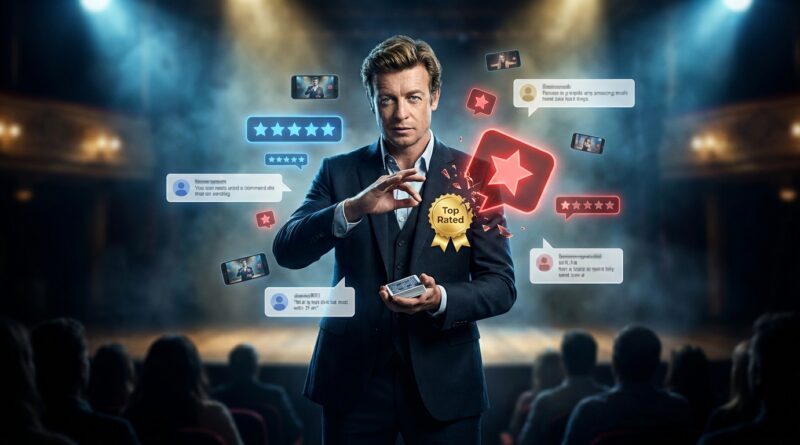
Inside 2026’s New ‘Review Bombshell’ Season: How One Viral 1‑Star Clip Can Quietly Flip A World‑Class Mentalist’s Ratings Overnight
You find a performer described as the worlds highest rated mentalist reviews can point to. The clips look incredible. The testimonials glow. Then you check again the next morning and the page looks like a crime scene. Angry 1-star comments. Short reaction videos. People repeating claims they may not have checked for themselves. If that feels exhausting, you are not overreacting. For fans, event planners, and curious first-timers, this new review-bomb season makes it much harder to tell the difference between a real warning and a fast-moving pile-on. The tricky part is that both can look almost identical at first glance. A brilliant mentalist can get caught in a viral storm overnight. A weaker act can also hide behind old praise and slick editing. The good news is you do not need to guess. A few simple checks can help you read the chaos more clearly and decide whether a performer is genuinely elite, genuinely risky, or just caught in the algorithm’s crossfire.
⚡ In a Hurry? Key Takeaways
- One viral 1-star clip can crash a mentalist’s ratings fast, but a sudden drop does not automatically mean the performer is bad or unsafe.
- Check timing, review patterns, ticket-buyer comments, and repeat complaints before you trust either the praise or the outrage.
- Real red flags are consistent reports about refunds, fake audience reactions, no-show behavior, or misleading booking claims, not just a loud social media dogpile.
Why ratings now swing so wildly
Mentalism has always lived on buzz. People book what other people cannot stop talking about. In 2026, that buzz moves at brutal speed.
A single clipped moment can travel farther than a full live show review. One annoyed audience member posts a short video. A commentary account reposts it. Fan communities pick sides. Suddenly, the review page fills with people who were never there.
That is the part many buyers miss. Ratings are supposed to reflect customer experience. Viral platforms reward emotion, not balance. So the same performer can look flawless on Tuesday and disastrous by Wednesday lunch.
This is not happening in a vacuum either. Attention in this space now gets pushed around by streaming, nostalgia, and fandom culture. If you saw how old screen portrayals suddenly started shaping public expectations again, you will recognize the pattern from Inside 2026’s New ‘Netflix Nostalgia’ Effect: How A 15‑Year‑Old TV Mentalist Just Crashed The Real‑World Ratings Party. People often rate the fantasy first and the actual live performer second.
What a review bomb actually looks like
A review bomb is not just “a lot of bad reviews.” It usually has a pattern.
Common signs of a pile-on
Look for a sudden cluster of low ratings within a very short time. The wording may sound oddly similar. Some comments focus on a clip, rumor, or accusation rather than a real booking experience. Others are vague, emotional, and light on detail.
You may also see accounts with little history, or reviewers who clearly mention a video but not the event, venue, or date. That does not prove every complaint is fake. It does tell you to slow down.
What makes it persuasive
Volume. Urgency. Repetition.
When ten people say, “I knew it was fake,” many readers stop asking what “it” was, whether they attended, or whether fakery is even the right standard in a performance art built around illusion, psychology, suggestion, and showmanship.
When a sudden ratings collapse is actually a real warning
Not every 1-star wave is unfair. Some are overdue.
If the same complaint keeps showing up across different platforms and stretches over weeks or months, pay attention. Especially if people describe the same practical problem.
Red flags worth taking seriously
These are the complaints that matter most:
- Last-minute cancellations or no-shows.
- Refund fights or missing deposits.
- Claims that the advertised performer did not actually appear.
- Staged testimonials or obviously misleading review practices.
- Repeated reports that audience volunteers were planted without disclosure in settings where that would be deceptive to the buyer.
- Aggressive behavior toward critics, venues, or customers.
Those are business and trust issues, not just style debates. If you see them repeated by real clients with specifics, that matters more than a rating average.
How to read worlds highest rated mentalist reviews without getting fooled
If you are searching for worlds highest rated mentalist reviews, do not stop at the star number. Star averages are now the least interesting part of the page.
1. Check the timeline first
Open the newest reviews and scan dates. Did the score fall slowly over time, or did it fall off a cliff in 48 hours? A cliff usually means controversy, virality, or coordinated attention. It does not automatically tell you whether the criticism is fair.
2. Separate audience reviews from audience reactions
Audience reviews usually mention the venue, event type, ticket purchase, private booking, or what happened in the room. Audience reactions are often about how someone felt watching a clip online.
Both are valid forms of opinion. Only one tells you what it is like to hire or see the act live.
3. Look for repeat specifics
Specifics beat adjectives. “Started 40 minutes late and left early” is useful. “Total fraud” is not, unless the reviewer explains what happened.
4. Compare multiple platforms
Do not rely on one page. Check ticket sites, Google, venue comments, Reddit threads, industry mentions, and social clips together. One platform can be flooded. Five different sources are harder to fake in the same way.
5. Watch how the performer responds
You can learn a lot from the reply.
A calm response that addresses refunds, dates, or misunderstandings is a good sign. Threats, mockery, or walls of defensive text usually make things worse. World-class performers know that reputation is part of the show, even when the crowd turns.
Why elite performers are especially vulnerable
Oddly enough, top names often get hit harder than mid-tier acts.
Why? Because they are more visible. More clips circulate. More people want to challenge them. More rivals react to them. And the bigger the promise, the more satisfying the “gotcha” feels when someone thinks they found a weak spot.
That means a famous mentalist with years of strong live work can look unstable online after one rough viral week. Meanwhile, a less-known act with fewer eyes on them can keep a cleaner page simply because nobody is paying close attention.
A simple buyer’s checklist before you book
If you are trying to cut through the noise, use this quick filter.
Ask these questions
- Are most bad reviews coming from verified attendees or random social viewers?
- Do complaints focus on ethics and reliability, or just whether the tricks were “real”?
- Can you find long-form reviews that describe a full show?
- Has the performer worked respected venues or corporate events recently?
- Is there a pattern of unresolved customer problems?
Then do one smart extra step
Contact the venue or event organizer from a recent show if possible. One quick email can tell you more than fifty angry comments.
What fans should do instead of joining the pile-on
If you care about the art, resist the urge to rate on impulse after seeing one clip. Share your actual experience if you attended. Mention what happened, what worked, what did not, and whether the booking was handled professionally.
That kind of review helps everyone. It helps good performers survive bad-faith attacks. It also helps weak or misleading acts get called out for the right reasons.
At a Glance: Comparison
| Feature/Aspect | Details | Verdict |
|---|---|---|
| Sudden 1-star spike | Dozens of negative comments appear within hours or days, often tied to a viral clip or exposé video. | Treat as a signal to investigate, not instant proof. |
| Consistent practical complaints | Multiple reviewers mention refunds, no-shows, misleading ads, or repeated booking problems across platforms. | High concern. These are real red flags. |
| Long-term reputation | Older detailed reviews, respected venue history, and recent live feedback stay mostly strong despite the controversy. | Often points to short-term outrage rather than total collapse. |
Conclusion
Review drama is now part of the mentalism business, whether anyone likes it or not. Top names can be lifted by the algorithm one week and buried by it the next. That makes careful reading more important than ever. If you focus on patterns, specifics, booking behavior, and real attendee feedback, you can separate genuine warning signs from temporary outrage. That is the value here. You do not have to burn out trying to decode every viral comment storm. You can still find and support world-class mind readers with confidence, even while clips go viral, exposé videos drop, and fan communities pile on.