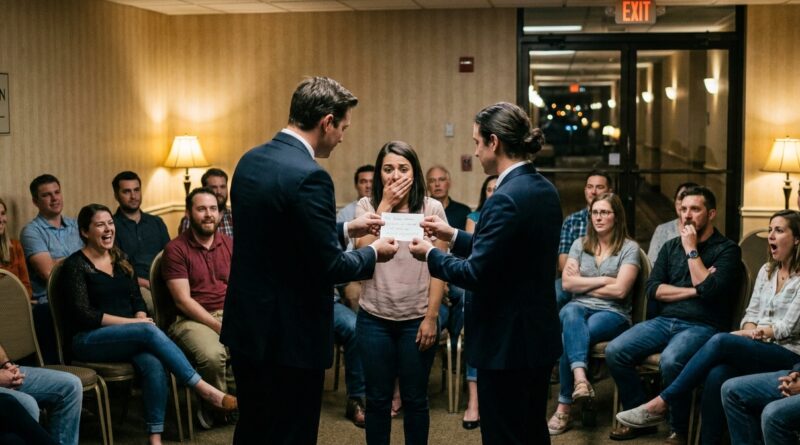
Inside 2026’s New ‘Hotel Lobby Test’: How Tiny Conference Room Shows Quietly Outscore Big-Stage Mentalists
You can spend a fortune on a flashy mentalist show and still walk out shrugging. That is the frustration a lot of fans have right now. The loudest acts often have the biggest posters, the slickest trailers, and the most TV clips. But the reviews people actually trust are coming from much smaller rooms. Think hotel conference spaces, back-room arts venues, and little local theaters with twenty seats and no fancy lighting at all. Strangely, those are the shows where guests keep saying, “That felt real.”
That shift matters if you are hunting for the best small venue mentalist show reviews instead of another polished promo reel. Small rooms strip away the safety net. There is nowhere to hide, fewer chances to fake crowd energy, and much more pressure to connect with every person in the room. When a mentalist stuns people in that setting, the praise tends to mean more. Better yet, it gives you a smarter way to judge acts in your own city without getting fooled by big-name marketing.
⚡ In a Hurry? Key Takeaways
- Small venue mentalists often earn more believable praise because the audience is close enough to spot weak material and fake reactions.
- Use a simple checklist. Look for specific guest quotes, repeat attendance, and reviews that describe one impossible moment in detail.
- Do not trust star ratings alone. Tiny shows can be amazing, but honest review patterns matter more than follower counts or TV credits.
Why the tiny room is suddenly the toughest test
Big-stage shows can impress you with scale. Music swells. Lights flash. A planted camera angle can make a decent effect look huge. None of that is automatically bad. It just makes it harder to tell what part of the experience was the performer and what part was the production.
A twenty-seat conference room is different. You are close. Sometimes uncomfortably close. You can see facial expressions. You can watch how the performer handles mistakes, interruptions, and skeptical guests. That pressure creates what many fans are starting to treat as a new kind of quality check. Call it the hotel lobby test.
If the act still kills in a plain room with bad carpet and bottled water on a folding table, people trust it more.
What audiences mean when they say a small show felt “more real”
That phrase shows up again and again in chatter about local mentalists. Most people do not mean they literally believe psychic powers are involved. They mean the show felt less buffered. Less edited. Less protected.
The reactions are harder to fake
In a small room, you can hear every gasp, every laugh, every awkward pause. If a trick misses, the room knows. If a reveal lands, the room knows that too. That makes audience reactions more useful than they are in giant venues.
The performer has to work with real people
Small venues usually mean less control. Different seating. Different personalities. More audience back-and-forth. A good mentalist has to read the room, manage tension, and keep things moving without the crutch of giant production effects.
The story spreads better
People leave these shows with one very shareable story. “He named the city where my grandmother was born.” “She predicted the word I picked from my own book.” Specific stories travel well. Vague praise does not.
Why the usual rankings are failing people
A lot of rating lists still reward the wrong things. TV credits. Social following. Search visibility. Old awards. Those can tell you who is famous. They do not always tell you who is strongest in a live room right now.
That is why readers have started looking beyond standard “top mentalist” roundups. If you want a bigger picture of how live audience response is reshaping reputations, it is worth reading Inside 2026’s New ‘Standing Ovation Test’: How Sold‑Out Theater Crowds Quietly Re‑Rank The World’s Highest‑Rated Mentalists. That piece looks at theaters. This small-room angle goes even further because it strips away more stage magic around the magic.
The checklist for finding a hidden five-star mentalist
If you are trying to sort genuine standouts from well-marketed average acts, use this checklist before you book.
1. Look for detailed reviews, not just high ratings
A real review usually describes a moment. It names a routine, a reaction, or a personal detail that stunned the writer. Generic comments like “Amazing show” or “Best ever” are nice, but they do not help much.
Better signs include phrases like:
- “I was chosen and he revealed the exact drawing.”
- “My skeptical husband talked about it all night.”
- “There were only 18 of us, so nobody could hide.”
2. Check whether people mention the room size
This matters more than most fans realize. When reviewers go out of their way to mention how intimate the show was, they are often saying the closeness made the effect stronger.
That is a clue you are not just reading praise for atmosphere. You are reading praise for impact.
3. Watch for repeat attendance
If people come back and bring friends, that is one of the strongest signals around. Repeat guests usually mean the performer is not living off one viral clip or one lucky night.
4. Read the negative reviews too
This is where the truth often hides. A bad review that says, “Not my thing, but the room was stunned,” is actually helpful. A bad review that says, “Lots of filler, slow pacing, too much audience fishing,” is a warning sign.
5. Ignore follower counts for a minute
Some excellent small venue mentalists barely post online. Others have polished accounts but weaker live chops. Social media can help you find an act. It should not be your final judge.
6. Look for local buzz in real time
Community groups, neighborhood event pages, venue comments, and recent tagged photos often tell you more than formal review platforms. Tiny shows create fresh word-of-mouth fast. That is where the best clues show up first.
What makes a small-room mentalist truly stand out
Not every intimate show is automatically better. Some are simply smaller. The best ones tend to share a few traits.
Strong opening within minutes
In a small room, there is no patience for a long warm-up. Great performers hit hard early and give the crowd a reason to lean in.
Clean audience handling
They do not embarrass volunteers. They do not bully skeptics. They make ordinary guests feel interesting and safe, which is harder than it sounds.
Less filler, more payoff
Good small-room acts trim the fluff. They know a close audience can spot padding instantly.
Memorable personal moments
The reviews that spread usually come from moments that feel tailored, not canned. Even if the structure is rehearsed, the experience feels personal.
Red flags that a “top-rated” small show may disappoint
There are a few warning signs worth knowing.
- Every review sounds nearly identical.
- The promo material talks more about celebrity clients than the live show.
- The audience comments praise the venue, but not the performance.
- Recent reviews are sparse, even though the act claims nonstop demand.
- There is more emphasis on mystery branding than actual guest reactions.
None of these prove a show is bad. But together, they should make you slow down.
How to write a review that actually helps other fans
If you do attend one of these smaller shows, your review can be more useful than a simple star score.
Say what the room was like
Mention the size, seating, and how close the audience was. That context helps others understand why the reactions mattered.
Describe one moment without spoiling the whole show
You do not need to expose methods. Just explain what felt impossible from your seat.
Be honest about pacing and comfort
Did the show drag? Was audience participation fun or awkward? Could everyone see and hear clearly? Those details matter.
Separate hype from effect
If the act had a strong intro video but the middle sagged, say so. If the room was plain but the performance was unforgettable, say that too.
Why this matters more in 2026
Fans are getting smarter. They are less impressed by a polished clip alone. They want proof that an act can hold a room without camera tricks, giant staging, or borrowed fame.
That is why tiny venue chatter is exploding. It feels closer to the truth. Not perfect. Just closer. And for people searching the web for the best small venue mentalist show reviews, that is a much better starting point than a list built mostly on name recognition.
At a Glance: Comparison
| Feature/Aspect | Details | Verdict |
|---|---|---|
| Room size | Small venues put the audience close enough to catch weak material and appreciate strong handling. | Big plus for judging real skill. |
| Review quality | The most useful reviews mention specific moments, room intimacy, and whether skeptics were won over. | Detailed reviews beat star counts. |
| Marketing vs live impact | Follower counts and TV credits can point you to an act, but they do not guarantee a stunning small-room show. | Trust audience stories more than branding. |
Conclusion
The big takeaway is simple. If you want to find mentalists who truly leave paying customers stunned, stop treating fame as proof. Start with the rooms where there is nowhere to hide. This matters right now because real-time chatter about tiny, high-impact shows is growing fast, while many fans still lean on TV credits and follower counts to decide who is “top-rated.” Once you know what to look for, detailed guest stories, repeat attendance, honest negatives, and strong local buzz, you can spot hidden five-star performers in your own city with a lot more confidence. Better still, you can write smarter reviews afterward and help push the scene toward what actually matters. Not bigger hype. Better live experiences.