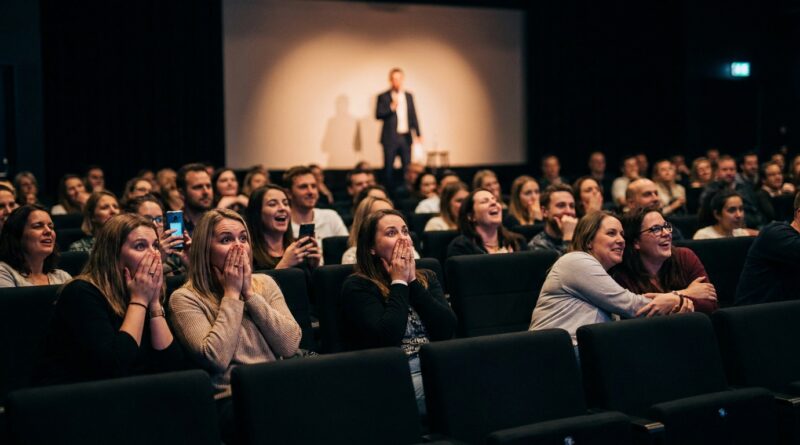
Inside 2026’s New ‘Crowd-First Rating’ Shift: Why The World’s Top Mentalists Now Live Or Die By One 10‑Second Clip
You are not crazy if all five-star mentalists are starting to look the same online. One clip has a screaming crowd. Another has perfect comments. Another has a standing ovation that feels suspiciously familiar. By 2026, that glossy loop has become the whole game. A lot of performers are now judged less by a full live set and more by one 10-second clip that travels well on social feeds. That sounds efficient, but it creates a big problem for anyone asking how to tell if a mentalist is really good. The polish can hide a lot. Edited reaction shots, sweetened audio, chopped timing, and review inflation can make a decent act look world class. The good news is that real crowd behavior is still hard to fake. If you know what to watch for in rough phone footage, you can spot the difference fast, even before checking the stars, the trailer, or the hype machine.
⚡ In a Hurry? Key Takeaways
- The fastest answer to how to tell if a mentalist is really good is to ignore the polished trailer first and watch raw crowd footage.
- Look for uninterrupted audience reactions, clear volunteer confusion turning into shock, and applause that spreads naturally instead of arriving all at once.
- Star ratings alone are weak in 2026. Clip manipulation and review inflation mean you need a simple real-world filter before booking or buying tickets.
The big shift in 2026 is simple
One short clip now carries more weight than a hundred written reviews.
That is the crowd-first rating shift. People do not trust polished descriptions anymore. They trust what looks like instant proof. A burst of laughter. A face drop. Someone grabbing their head in row three. A room exploding after a reveal.
Platforms know this. Talent shows know this too. So do publicists.
That means the best clip often wins, not always the best performer.
Why star ratings stopped being enough
Five-star scores used to feel useful. Now they often tell you only that someone understands timing, promotion, and follow-up emails.
A mentalist can collect glowing ratings from private events where guests are being polite, from fans who only saw a highlight reel, or from campaigns that nudge happy clients harder than unhappy ones. None of that tells you what happens in a live room when the trick, the pressure, and the audience are all real at the same time.
This is why so many fans and event planners keep asking the same thing. How do I tell who actually destroys live?
The answer is not more polish. It is less.
How to tell if a mentalist is really good
Start with the messiest footage you can find.
1. Watch phone-shot clips before official promos
A real performer survives bad angles, weak sound, and a shaky hand in the back row. If the act only looks amazing in cinematic edits, be careful.
Phone footage shows pacing. It shows dead air. It shows whether the audience is leaning in or just being told how to react.
2. Check whether the reaction builds naturally
Real astonishment has a shape. First confusion. Then silence. Then laughter, swearing, head-turning, hands-on-face, people checking with each other, and only then applause.
Fake or overproduced clips often skip straight to the biggest scream. That is a tell.
3. Look at the volunteer, not the performer
The volunteer is your truth meter.
Do they look like they are tracking what is happening in real time? Do they interrupt with genuine confusion? Do they repeat the outcome in their own words because they cannot quite process it? That is gold.
If they seem too camera-ready, too clean, or weirdly calm during the key moment, your alarm bell should ring.
4. See if the room keeps reacting after the reveal
Weak acts get one sharp burst and then fade. Strong mentalists create a wave. People keep talking. They point at each other. Someone stands up late. The back of the room catches up a second after the front. That lag is often a sign the reaction is real.
5. Notice whether every clip feels identical
If every audience response looks cut from the same template, you may be watching a branding exercise more than a live performance record.
Real rooms are messy. Different ages react differently. Corporate crowds react differently from theater crowds. A true top-tier mentalist still lands, but the texture changes.
The 10-second clip test
Here is the quickest filter you can use tonight.
Mute the clip for the first watch.
If the performer still looks strong without the music swell, the bass hit, and the edited scream track, that is a very good sign. You will start noticing body language instead of soundtrack manipulation.
Then watch again with sound.
Does the audience audio match the room you are seeing? Does the applause seem too big for the visible crowd size? Does the reaction jump unnaturally between cuts? If yes, you are probably watching a manufactured moment, not a clean one.
What real elite mentalists usually have in common
They do not just get reactions. They get consistent reactions from different kinds of people.
One rough clip from a wedding. One from a comedy club. One from a corporate dinner. One from a small theater. If all of them show the same core thing, strangers losing their sense of control in that split second before they laugh or shout, you are likely looking at the real deal.
This is also why venue position matters. If you want another smart way to judge quality, Inside 2026’s New ‘Front-Row Filter’: How One Tiny Venue Trick Quietly Exposes The World’s Real Five‑Star Mentalists is worth reading. It gets into how seating and proximity quietly expose whether an act holds up when people are close enough to catch every beat.
Red flags that should make you slow down
Recycled reaction faces
If the same audience members appear across multiple “different” moments, or if the cutaways feel strangely generic, assume the editor is trying to lead you.
Standing ovations with no lead-up
Real standing ovations usually have a trigger. A final reveal. A pause. A release. If people are already on their feet before the moment lands, something may be off.
Perfect review language
When reviews all sound polished, broad, and weirdly similar, they are less useful. “Mind-blowing,” “unforgettable,” and “best ever” tell you almost nothing without specifics.
No full-performance context
If you can only find tiny fragments and never even one longer unbroken sequence, ask why.
A simple booking filter for fans and event planners
If you are choosing between two mentalists, do this.
Ask each one for three things. A raw audience clip. An unbroken volunteer moment. One recent clip shot by someone other than their media team.
You do not need an hour of footage. Two honest minutes can tell you more than ten glossy trailers.
The strongest performers are usually not scared of this request. In fact, they may be relieved. It gives them a chance to be judged on what they actually do in a room.
Why this matters more now than ever
The crowd-first rating shift is not all bad. It has made audience truth more valuable than studio polish. But only if you know how to read it.
That is the trick. Not all “crowd proof” is proof. Some of it is packaging wearing a crowd costume.
Once you spot that, your whole search gets easier.
At a Glance: Comparison
| Feature/Aspect | Details | Verdict |
|---|---|---|
| Official promo clip | Often edited for speed, music, and maximum reaction impact. Good for style, weak for proof. | Useful second. Not first. |
| Raw phone-shot footage | Shows timing, volunteer behavior, real crowd spread, and whether the act survives without polish. | Best test of real quality. |
| Five-star reviews | Can be inflated, nudged, or too vague to judge live impact on their own. | Treat as backup, not proof. |
Conclusion
If you have been frustrated trying to work out how to tell if a mentalist is really good, you are not alone. In 2026, review inflation and clip manipulation have made the old shortcuts much less reliable. The fix is refreshingly simple. Watch for real crowd behavior. Watch rough footage. Watch volunteers who cannot hide what just happened to them. That street-level filter cuts through the noise better than suspiciously perfect ratings ever could. It helps the Best Mentalist community judge talent on what matters most, live impact, not editing skill. And whether you are booking a corporate mind reader, comparing touring headliners, or just deciding which show is worth your money, you can start using that filter tonight.