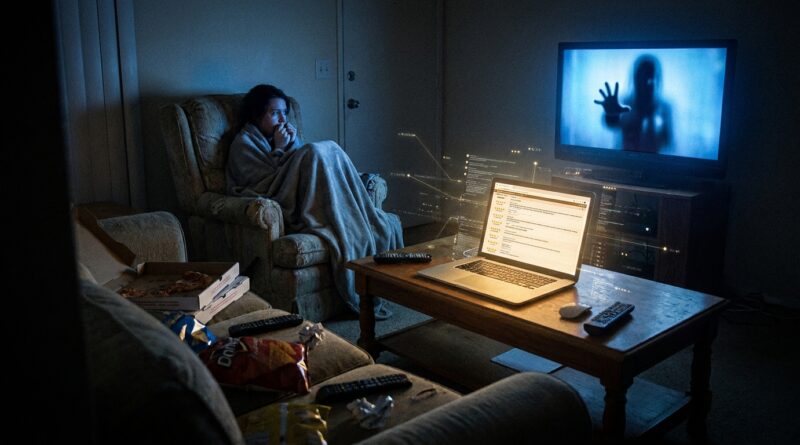
Inside 2026’s New ‘Comfort Crisis Test’: How Netflix Binge Data Is Quietly Re‑Ranking The World’s Highest‑Rated Mentalists
You know the feeling. Netflix says a mentalist show is a must-watch, the thumbnail looks perfect, the rating is glowing, and three episodes later you are checking your phone and wondering why this “genius” act feels flat. That frustration is exactly why the new comfort crisis test matters. Instead of asking which show gets the loudest launch-week buzz, it asks a more honest question. Which mentalists still stick in your head after a long binge, after the algorithm stops nudging you, and after the late-night snacks are gone? That shift is useful for anyone searching for the best mentalist netflix comfort show, because comfort viewing is not just about easy background TV. It is about repeat pull. It is about that odd mix of calm, suspense, and genuine wonder that makes you hit “next episode” and then think about the trick the next morning. For fans, that is the real ranking that counts.
⚡ In a Hurry? Key Takeaways
- The comfort crisis test ranks mentalists by post-binge obsession, not just star ratings or flashy trailers.
- If you want a better pick tonight, look for shows people rewatch and talk about the next day, not just clips that trend for a weekend.
- This is more useful when paired with live audience feedback, because some acts play great on a polished stream but fade fast in real memory.
What the “Comfort Crisis Test” actually means
The name sounds dramatic, but the idea is simple. A lot of mentalist content is built for the first impression. Big music. Fast cuts. Shocked faces. Slick trailers. That stuff can get you to press play.
It does not always get you to care by episode six.
The comfort crisis test looks at a different signal. It asks whether viewers keep returning to a performer or show when they want something familiar, soothing, and still a little thrilling. In other words, when people are tired, stressed, or just want a reliable late-night watch, who do they choose?
That matters because comfort viewing is brutally honest. Hype can trick you once. Comfort habits usually cannot.
Why normal ratings are failing mentalism fans
Mentalism is especially hard to judge with normal review tools. A crime series with a “human lie detector” can get lumped in with a real performance special. A viral ten-second reveal can feel smarter than a full hour act. And fan ratings often spike right after release, when excitement is high and nobody has had time to see if the material lasts.
That is why a mentalist can look “top rated” on paper and still leave viewers cold.
If this sounds familiar, it connects neatly with Inside 2026’s New ‘AI Review Gap Test’: How Live Crowd Reactions Quietly Expose The World’s Truly Top‑Rated Mentalists. That piece gets at the same core problem. Clean online scores do not always match real-world reactions. The comfort crisis test adds another layer by asking what happens after the applause, after the binge, and after the social buzz cools off.
How Netflix binge data changes the ranking
Streaming platforms sit on a goldmine of behavior clues. They can see what people start, what they finish, what they rewatch, what they abandon halfway through, and what they return to months later.
That is far more revealing than a simple thumbs-up.
Signals that matter more than stars
For mentalist shows, a few viewing patterns are especially telling:
Completion rate. Do people finish the special or drift away after the opening tricks?
Rewatch rate. Do viewers go back to relive a reveal or catch what they missed?
Next-day continuation. Did they stop because it was late, then come back fast?
Comfort rotation behavior. Does the show become part of someone’s regular wind-down routine?
Post-binge drop-off. After several episodes, does fascination grow or collapse?
These signals help answer a question fans have been asking forever. Which performers are truly magnetic, and which ones are just edited well?
The difference between “good once” and “comfort great”
Some mentalists are built for the first watch. They create a strong pop of surprise. You enjoy the trick, maybe send a clip to a friend, and move on.
Others become comfort great. Their pacing works when you are tired. Their voice is easy to sit with. Their material has layers, so the act still feels rewarding when you already know the ending. That is a rare skill.
Think of it like the difference between a blockbuster trailer and a favorite detective rerun. One wins your attention. The other earns your time.
For people searching for the best mentalist netflix comfort show, that difference is everything. You are not just hunting for the smartest reveal. You are looking for a performer whose style holds up when the novelty wears off.
What fans should look for before wasting a whole evening
You do not need Netflix’s private dashboard to use this idea at home. You can spot likely comfort winners with a few simple checks.
1. Read reviews that mention repeat viewing
“Amazing” is not enough. Look for phrases like “watched it twice,” “stayed with me,” “kept thinking about this one,” or “my go-to comfort watch.” Those are stronger clues than generic praise.
2. Separate plot addiction from performer addiction
If viewers only mention cliffhangers, the show may be bingeable but not memorable. If they talk about the mentalist’s presence, rhythm, and emotional pull, that is a better sign.
3. Watch how people describe the morning after
The best acts create residue. People wake up still turning over one reveal in their head. That is different from simple enjoyment.
4. Be suspicious of perfect ratings
Mentalism is polarizing when it is real and interesting. A little disagreement can be healthier than a wall of suspiciously smooth five-star praise.
Why live-show feedback still matters
Streaming tells you what people watched. Live rooms tell you what they felt.
This is important because mentalism lives and dies on tension, trust, and timing. A performer may look incredible in a tightly edited special, but a live crowd can expose weak pacing or thin material fast. On the flip side, some mentalists are much stronger than their streaming package suggests because their connection with a room is the real magic.
That is why the smartest ranking system would mix comfort-binge signals with live audience response. If a performer survives both tests, they are probably the real thing.
What this means for working mentalists
There is a lesson here beyond fan recommendations. If you are a performer, the comfort crisis test points to something very practical. People do not come back just for technical skill. They come back for emotional texture.
The acts that last tend to offer:
Predictable comfort. Viewers know they will feel looked after.
Fresh mystery. Even on a rewatch, the act has details worth catching again.
Human warmth. The performer feels inviting, not just clever.
Steady pace. There is room to breathe. Not every second is trying to scream at you.
That is why some acts become emotional comfort shows and others vanish after one scroll through the app.
Why this quiet re-ranking matters in 2026
We are overloaded with options now. One night it is a classic procedural with a mind-reader vibe. The next it is a glossy special. Then TikTok serves a chopped-up reveal that makes everything else feel slow.
That flood of choice makes old ranking systems weaker. Hype is easier to manufacture. Attention is easier to steal. Lasting attachment is still hard to fake.
So the comfort crisis test is useful because it values endurance. It asks who survives the comfort-rewatch cycle. Who still feels worth your time after 20 episodes, or 200. Who moves from “pretty good” to “I keep coming back to this.”
At a Glance: Comparison
| Feature/Aspect | Details | Verdict |
|---|---|---|
| Star ratings | Good for a quick snapshot, but often inflated by launch buzz, fandom, or polished marketing. | Useful, but weak on long-term value. |
| Binge and rewatch behavior | Shows whether a mentalist holds attention, earns repeat viewing, and becomes a comfort pick. | One of the strongest signals for real staying power. |
| Live audience reaction | Reveals whether the act works outside editing, trailers, and online hype. | Best used alongside streaming data for a fuller picture. |
Conclusion
If you have ever finished a “highly rated” mentalist show and felt oddly cheated, you are not being picky. You are noticing the gap between hype and staying power. Right now, mentalism fans are drowning in options, from old procedurals and new streaming specials to viral clips cut for quick attention. The comfort crisis lens cuts through that mess by asking a better question. After 20 or 200 episodes, which performers are still haunting people’s heads the next morning? That is a ranking worth paying attention to. By treating binge-watcher withdrawal as a real review signal, and pairing it with live-show feedback, Best Mentalist can point fans toward the rare acts that survive the comfort-rewatch cycle. It can also help working mentalists understand why some performers become trusted comfort viewing, while others disappear the second the scroll moves on.