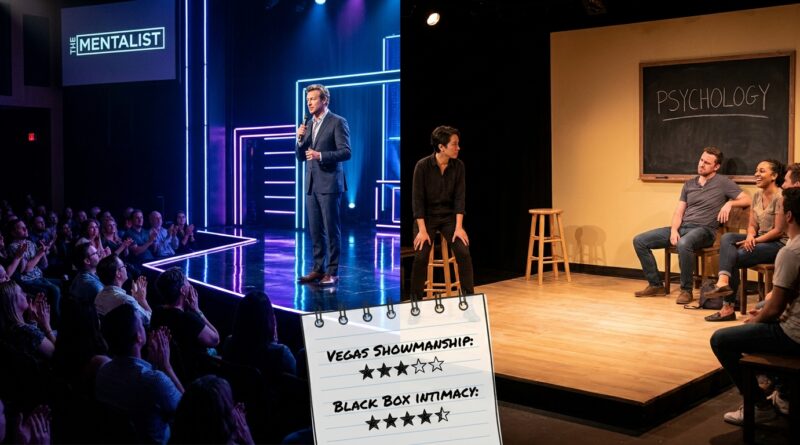
Inside 2026’s New ‘Two‑Show Showdown’: How Fans Quietly Use Back‑to‑Back Tickets To Find The World’s Real Five‑Star Mentalists
You can feel the letdown coming now. The trailer looks amazing. The reviews are glowing. The Instagram clips make the crowd sound like they just saw real mind reading. Then you buy the tickets, sit down, and 20 minutes in you realize the whole thing is just fine. Not terrible. Not magical either. That is why more fans are quietly using a simple trick to figure out how to compare the best mentalist shows. They stop trusting hype on its own and book two shows, close together, in the same city. Same weekend. Same mood. Same kind of ticket spend. Once you see two performers back to back, the differences get obvious fast. One gets polite applause. The other gets that full-body, “what just happened?” reaction. If you want a dead-simple way to spot the real five-star mentalists before risking a date night or a company budget, this Two-Show Showdown is the easiest test going.
⚡ In a Hurry? Key Takeaways
- The fastest way to compare the best mentalist shows is to see two highly rated performers within 48 hours and score them on reactions, improvisation, consistency, and post-show buzz.
- Do not judge by promo clips alone. Use fresh reviews, similar seat locations, and a simple checklist right after each show while your memory is fresh.
- This saves money and regret. It is especially useful for date nights, tourists, and corporate planners who cannot afford a “top rated” show that only looks good online.
Why the Two-Show Showdown works
Most people compare mentalists the wrong way. They look at star ratings, a few quotes, maybe a slick reel, and assume that is enough. It usually is not.
Mentalism is a live-room art. Timing matters. Audience control matters. Recovery under pressure matters. A performer can look incredible in a 30-second clip and still struggle to hold a room for 75 minutes.
The Two-Show Showdown fixes that. You choose two well-reviewed mentalists in the same city and see them within 48 hours. That short gap matters. Your memory is still sharp. The crowd type is often similar. Ticket pricing is easier to compare. You are not trying to remember how one performer felt six months ago.
If you have ever wondered how to compare the best mentalist shows without becoming a full-time critic, this is the practical version. You watch. You score. You trust your own eyes.
How to set up your showdown
1. Pick two shows with similar expectations
Try to compare like with like. If one act is in a 40-seat speakeasy and the other is in a huge theater with heavy production, you can still learn something, but it is not a clean test.
Better pairings look like this:
- Two theater mentalists in the same city
- Two weekend headline acts with similar ticket prices
- Two performers both marketed as “must-see” or “award-winning”
2. Use fresh reviews, not old reputation
A performer can have a strong name and still be coasting. Another can be peaking right now and barely getting talked about outside recent review sites.
Check the newest comments on TripAdvisor, Ticketmaster, Google, Fever, or venue pages. Focus on details, not just stars. Do people mention gasps, laughter, surprise, and audience interaction? Or do they mostly say “nice night out” and “fun host”?
3. Sit in comparable seats if you can
If one night you are front row and the next night you are in the back corner, your read will be warped. Try to buy similar sections. Middle distance is often best. You can see faces in the audience and also watch the full stage rhythm.
4. Go close together
Same weekend is ideal. Friday and Saturday is perfect. Thursday and Saturday works too. The whole point is to compare from fresh memory, not vague impressions.
The checklist that separates good from elite
This is where the showdown gets useful. Right after each show, score these areas from 1 to 5. Keep it simple.
Audience gasps
Not polite claps. Real gasps. That involuntary noise people make when a reveal lands harder than they expected.
Ask yourself:
- How many times did the room visibly react?
- Did the biggest moments hit across the whole audience or only near the stage?
- Did reactions build through the show or peak early and fade?
Improv under pressure
This is one of the clearest markers of a top mentalist. Volunteers forget instructions. People joke. Someone gives an odd answer. A mic fails. A phone does something weird.
The best performers do not panic. They turn the mess into momentum.
Watch for:
- Quick recovery when a participant is awkward
- Natural banter that feels live, not memorized
- Confidence when something unpredictable happens
Repeatable miracles
One killer trick can carry a promo clip. It cannot carry a full show. Elite mentalists stack strong moments. You should leave feeling like impossibility happened again and again, not once.
Ask:
- Were there multiple standout effects?
- Did the middle of the show stay strong?
- Would you struggle to pick a single best moment because there were several?
Post-show buzz
This one is underrated. Do not rush out. Linger for five minutes.
Listen to what people say as they leave:
- “How did he know that?” is gold.
- “That was fun” is decent, but softer.
- Silence or quick exits usually tell a story too.
Also notice whether people pull out their phones to talk about the ending, not just take a quick selfie in the lobby.
What usually happens when you do this
The differences become obvious much faster than people expect. One performer may be cleaner, funnier, tighter, and more in control, even if both have similar star ratings.
You also start seeing how inflated online praise can be. Some five-star reviews reflect a pleasant night out. Others reflect a room that truly got flattened by what it saw. Those are not the same thing.
This is part of why articles like Inside 2026’s New ‘Touring Mind Reader’ Test: How One North American Champion Quietly Turned Regional Theater Crowds Into The Harshest Mentalism Critics matter. They point to the same truth. Real audiences, in real rooms, are better judges than polished marketing.
Red flags that a “top rated” show may not be top tier
You do not need to be cynical. But you should notice patterns.
Too much dependence on audience warmth
Some acts get by on charm alone. People like the performer, so they remember the evening kindly. That is not the same as being stunned.
One giant closer, weak middle
If the show is mostly setup for one ending, it can still feel thin. Great mentalists create momentum all the way through.
Scripted “spontaneity”
You can often feel when crowd interactions are heavily pre-shaped. A top act makes the room feel alive, not processed.
Reviews that sound generic
If every review says “great entertainer” but very few describe impossible moments, pay attention.
A simple scorecard you can use on your phone
Right after each show, note:
- Audience gasps: /5
- Improv under pressure: /5
- Repeatable miracles: /5
- Post-show buzz: /5
- Pacing: /5
- Would you recommend at full price: Yes or No
Then add one sentence only: “The moment I cannot stop thinking about is…”
That last line helps more than people expect. If one show gives you a vivid memory and the other gives you a blur, you already have your answer.
Who should use this test
This is not just for hardcore magic fans.
Date-night planners
If you want a special night, this cuts the risk of booking something that sounds better online than it plays in person.
Corporate event buyers
If you are spending real budget, seeing two acts close together is much smarter than trusting a speaker reel and a testimonials page.
Tourists and casual fans
You do not need technical knowledge. You just need a fair comparison and a short checklist.
At a Glance: Comparison
| Feature/Aspect | Details | Verdict |
|---|---|---|
| Audience reaction | Count real gasps, full-room surprise, and whether reactions build through the set. | Best quick signal of true impact |
| Handling live unpredictability | Watch how the mentalist deals with awkward volunteers, timing issues, or odd answers. | Separates polished pros from elite performers |
| Post-show conversation | Listen for people replaying moments and asking how specific reveals were possible. | Strong sign the show will hold up after the lights come on |
Conclusion
If you are tired of being sold “unmissable” and getting merely decent, the Two-Show Showdown is the cleanest fix. Pick two highly rated mentalists in the same city. See them within 48 hours. Use a short checklist for audience gasps, improv under pressure, repeatable miracles, and post-show buzz. That turns vague hype into something you can actually test. It helps date-night planners avoid a flat evening, gives corporate buyers a smarter way to spend budget, and lets casual fans feel like informed critics instead of passengers on the marketing train. Feeds will keep pushing slick clips and glowing screenshots. Fresh TripAdvisor and Ticketmaster comments will keep quietly telling a messier story. This method helps you cut through the noise this weekend and find out who is really delivering jaw-drop moments, and who is just very good at looking the part online.