How to Turn Interactive Mentalism Into the Most Talked‑About Experience in Your City
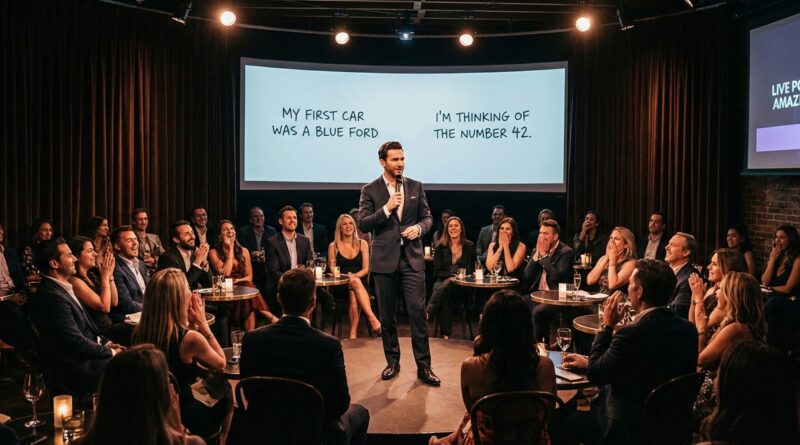
You can feel it halfway through the night. The drinks are flowing, the room looks great, but the entertainment lands with a thud. Guests smile politely, check their phones, and drift back to chatting. That is the headache event planners and venue owners keep running into when they book “a magician” without thinking about the experience around the act. People do not want filler anymore. They want a moment they can talk about in the taxi home and post before dessert hits the table. That is exactly why an interactive mentalism show for events is getting so much attention right now. Done well, it feels personal, social, and flat-out impossible. It pulls people in instead of asking them to sit quietly and clap on cue. The trick, if you will forgive the word, is not just booking a mind reader. It is booking the right one, then setting the show up so the audience becomes part of the story.
⚡ In a Hurry? Key Takeaways
- Book an interactive mentalism show for events when you want audience participation, social buzz, and reactions people actually remember.
- Ask for live audience involvement, clear video examples, and a plan for your exact room size before you sign anything.
- Keep it fun, respectful, and well-paced. The best mentalism feels impossible without embarrassing guests or slowing the event down.
Why mentalism is suddenly the act people remember
Audience expectations have jumped. A lot of that comes from pop culture. Netflix and TV crime drama nostalgia have put “mind reading” back in people’s heads, and not in a dusty stage-show way. People now expect fast, sharp, interactive moments that feel like they are happening to them, not at them.
That matters because most events already have enough background entertainment. What they do not have is a shared moment. A modern mentalist can create one in minutes. A stranger thinks of a place, another guest names it. A sealed prediction matches a choice made across the room. A whole table loses its mind together. That is the bit people film.
If your goal is attention, energy, and strong reviews after the event, this format has a real edge.
What makes an interactive mentalism show for events different from “just another magician”
It is built around people, not props
Traditional magic often leans on objects. Cards. Boxes. Silk scarves. There is nothing wrong with that, but it can feel familiar very quickly. Mentalism shifts the focus to thoughts, choices, memories, and decisions. For guests, that feels more personal and more mysterious.
It works well on camera
Instagrammable does not always mean flashy. Often it means clean reactions. A guest staring open-mouthed at a friend. A whole crowd shouting “No way.” A reveal with a clear emotional beat. Mentalism is great at that because the shock lands on faces, not just in the performer’s hands.
It can fit more event types
A smart performer can adjust the format for a drinks reception, private dining room, wedding, product launch, awards night, or corporate party. That flexibility is a big deal for planners who need one act to work in a real-world venue, not a perfect theatre.
How to book the right performer without getting burned
Ask for footage from real events, not promo fluff
This is the first filter. You want clips from actual live rooms with actual guests. Not moody trailers. Not dramatic music over quick cuts. Look for unbroken moments where you can see how the performer speaks to people, handles nerves, and keeps the pace moving.
Check whether the act is truly interactive
Some acts say “interactive” when they really mean they call one volunteer on stage. That is not enough. Ask these questions:
- How many guests typically take part directly?
- Can the act happen among the audience as well as on stage?
- Can the show be adapted for standing receptions and seated dinners?
- How do you keep non-volunteers engaged?
If the answers are vague, keep looking.
Make sure the tone fits your crowd
The best mentalism is clever and warm. It should never feel creepy or humiliating. A good performer knows how to get big reactions without making guests feel exposed. If your event is corporate, ask how they handle senior leadership. If it is a wedding, ask how they include family members. If it is a venue showcase, ask how they keep the room buzzing between reveals.
How to stage it so it becomes the high point of the night
Pick the right slot
Timing matters more than many planners realise. Too early, and guests are still arriving mentally. Too late, and they are distracted, tired, or heading for taxis. For most events, the sweet spot is after people have settled but before energy starts to drop.
Good options include:
- During a drinks reception as roaming close-up mentalism
- Between courses at a dinner
- As a featured 20 to 40 minute stage set before dancing or awards
- A mix of roaming and a short finale set
Think about sightlines and sound
You do not need a giant stage. You do need guests to hear and follow what is happening. If your room is noisy, add a proper microphone. If the event is large, use a small raised platform or screen support. Mentalism often sounds simple on paper, but if people miss the setup, the reveal loses power.
Tell the audience what they are about to see
Framing helps. A short intro from the host can turn an act from “random entertainment” into “the bit everyone needs to watch.” Keep it simple. Mention that the performance is interactive and that audience choices shape what happens. That instantly raises attention.
How to make it feel fresh instead of cheesy
Lose the haunted-house presentation
Audiences are tired of spooky music, fake hypnosis clichés, and overcooked mystery talk. Modern mentalism works best when it feels smart, quick, and human. Think sharp wit, clean staging, and impossible moments rooted in real guest decisions.
Use your event itself as part of the show
This is where the magic, pardon me, really starts. The best performers can weave in names, themes, products, milestones, or in-jokes from the event. That makes the show feel custom rather than copied and pasted from last weekend’s booking.
For example, a venue launch could include predictions tied to the city or neighbourhood. A company event could use audience choices linked to the brand story. A wedding could build around the couple’s first holiday, songs, or shared memories. Suddenly the act belongs to the room.
What to ask before you sign the contract
Keep this part practical. Ask these questions up front:
- What format do you recommend for our guest count and venue layout?
- How much setup time do you need?
- Do you provide your own sound equipment?
- Can you customise parts of the performance?
- What happens if timings shift on the night?
- Do you have insurance and references?
If the performer is experienced, these questions will not bother them. In fact, they should welcome them.
Common mistakes that drain the energy from the show
Booking purely on price
Cheap entertainment often looks cheap. If the act cannot control a room, adapt on the fly, or create moments worth sharing, the lower fee stops looking like a saving.
Stuffing the schedule
If your run sheet is crammed, the entertainment gets squeezed into a rushed, awkward slot. Give the act breathing room. A few extra minutes can make the difference between “nice idea” and “best part of the night.”
Choosing an act that talks too much
Mentalism should build tension, not test patience. Ask about pace. Ask how often reveals happen. The strongest performers understand that modern audiences want momentum.
How venues can use mentalism as a selling point
Venue owners should not think of this as a one-off booking. It can be part of your pitch. If couples, brands, or corporate planners know your space works brilliantly with an interactive mentalism show for events, that becomes a useful differentiator.
Show photos of guests reacting. Share short clips, with permission. Mention how the act works in your private room, terrace, or dining setup. You are not just selling a room then. You are selling a night people will talk about.
What success looks like the next day
The signs are easy to spot. Guests mention the show in feedback forms without being prompted. Social clips keep circulating. People ask, “How did he know that?” The entertainment becomes part of the event’s identity.
That is the real goal. Not just applause in the moment, but recall afterwards. If nobody talks about your entertainment by Monday, it was decoration. If they are still arguing about it in the group chat, you booked the right thing.
At a Glance: Comparison
| Feature/Aspect | Details | Verdict |
|---|---|---|
| Audience engagement | Interactive mentalism invites guest choices, reactions, and direct participation instead of passive watching. | Best for events that need energy and shared moments. |
| Social media value | Big facial reactions and clean reveals make it easy to capture short, memorable clips. | Excellent if you want post-event buzz. |
| Setup and flexibility | Can work as roaming entertainment, a stage set, or a hybrid, with minimal bulky props. | Strong choice for varied venues and schedules. |
Conclusion
If you are tired of entertainment that feels like wallpaper, this is your cue to change course. Netflix’s renewed obsession with The Mentalist and glowing reviews of modern mind readers who leave crowds “completely confounded” have raised audience expectations fast. The upside is obvious. If you book carefully, stage it properly, and frame it as a featured experience rather than background filler, an interactive mentalism show for events can become the highest-rated part of the night. Not the bit people politely sit through. The bit they rave about, film, and remember long after the tables are cleared.